.png)

In an evolving photography landscape, the Digital Single-Lens Reflex (DSLR) camera continues to be a trusted companion for many photographers, from budding enthusiasts to seasoned professionals. Known for their robust build, long battery life, and a rich legacy of lenses, DSLRs offer a very unique shooting experience with their optical viewfinders. If you're looking to invest in the best DSLR camera in 2025, this detailed buying guide will walk you through the essential considerations, helping you make an informed decision. And when you're ready to purchase, remember to check out bestbid.store to negotiate the best prices from authorised retailers across India.
Understanding DSLR Fundamentals
Before diving into specific models, it’s crucial to grasp the various core components and features that define a DSLR Camera:
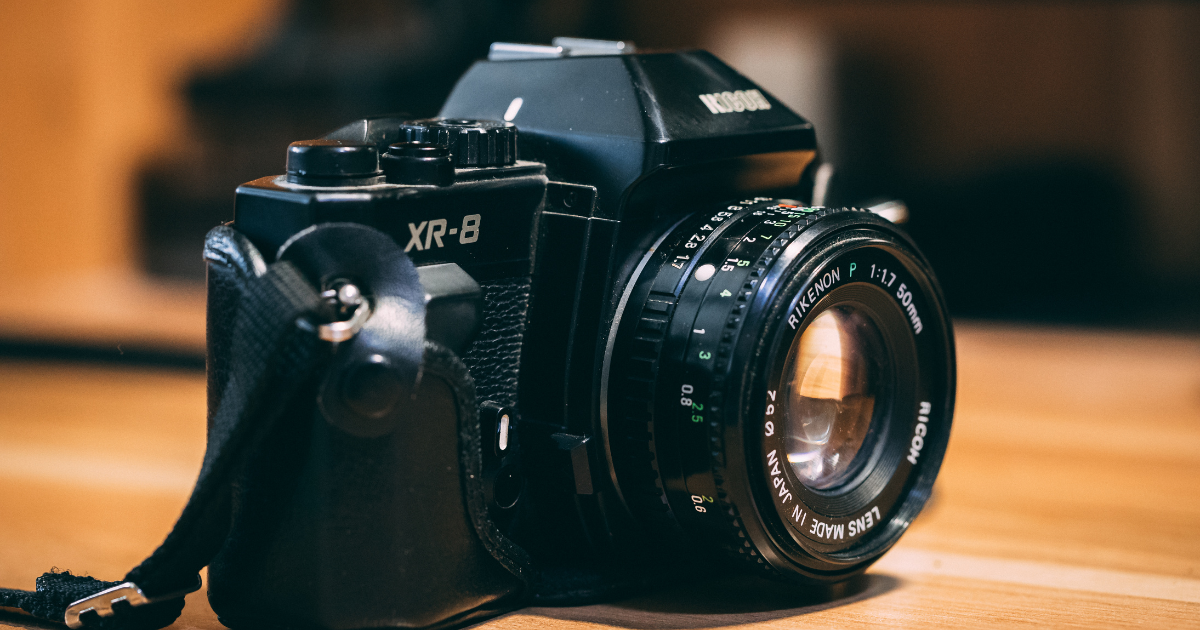
1. Sensor Size:
• Full-Frame: These sensors are the same size as traditional 35mm film cameras (approx. 36x24mm). They offer superior low-light performance, wider and higher dynamic range, and shallower depth of field, making them ideal for professionals seeking the highest image quality.
• APS-C (Crop Sensor): Smaller than full-frame, these sensors are found in many enthusiast and best DSLR camera for beginners models. They offer a "crop factor" (typically 1.5x for Nikon/Sony, 1.6x for Canon), which effectively magnifies the focal length of lenses, beneficial for wildlife or sports photography. They also allow for more compact and affordable cameras and lenses.
2. Megapixels (MP):
Higher megapixels always mean more detail, allowing for larger prints and more aggressive cropping. While important, don't get fixated on the highest number, megapixels in DSLR cameras act differently than in cellphones. For most uses, 20-30MP is ample, while professional studio or landscape photographers might benefit from 40MP plus for taking larger printouts.
3. ISO Performance:
ISO measures a camera's sensitivity to light. Better ISO performance means cleaner images with less digital noise in low-light conditions. This is extremely crucial for shooting indoors or at night without a flash.
4. Autofocus (AF) System:
A fast and accurate autofocus system is vital, especially for moving subjects. Look for cameras with a high number of AF points, particularly cross-type points, which offer much greater sensitivity. For best DSLR for video, consider models with good Live View autofocus (like Canon's Dual Pixel AF), which displays live footage of video on screen whilst recording and offer quick adjustments to focal points and shutter speed.
5. Continuous Shooting Speed (FPS):
Measured in frames per second (fps), this indicates how many photos a camera can take in a rapid burst. Higher FPS is essential for sports, wildlife, and action photography where the subject is rarely still.
6. Lens Mount:
DSLRs from different brands have different lens mounts (e.g., Canon EF/ EF-S, Nikon F-mount). Lenses are brand-specific, so your initial camera choice often dictates your future lens investments. It hardly ever ends with a single body or kit purchase.
7. Optical Viewfinder (OVF):
A defining feature of DSLRs, the OVF offers a direct, real-time view through the lens with no lag, perfect for precise framing.
.png)
Identifying Your Photography Needs
The "best" DSLR camera is subjective; it's the one that best suits your specific needs and skill level.
1. Your Skill Level:
• Beginner: If you're new to interchangeable lens cameras, start with a user-friendly model. One best DSLR camera for beginners like the Canon EOS 250D (Rebel SL3) or Nikon D3500 offers intuitive controls, helpful guide modes, and excellent image quality without being overwhelming. These are often considered the best professional camera for beginners in terms of learning the ropes before moving to high-end gear.
• Enthusiast/Advanced Amateur: You might be ready for more advanced features like better low-light performance, faster autofocus, or more manual controls. Models like the Canon EOS 90D or Nikon D7500 offer a great balance of performance and value.
• Professional: For demanding work, you'll need top-tier performance, durability, and reliability. Canon professional cameras like the EOS 5D Mark IV or EOS-1D X Mark III, or Nikon's D850 or D6, are built for the rigours of professional use, offering full-frame sensors, advanced AutoFocus, and robust construction.
DSLR Camera Tiers: A Comparison
| Feature/Tier | Entry-Level / Beginner | Enthusiast / Advanced Amateur | Professional |
|---|---|---|---|
| Example Models | Canon EOS 250D (Rebel SL3), Nikon D3500 | Canon EOS 90D, Nikon D7500, Canon EOS 6D Mark II | Canon EOS 5D Mark IV, Nikon D850, Canon EOS-1D X Mark III, Nikon D6 |
| Sensor Size | APS-C (Crop Sensor) | APS-C (Crop Sensor) or Entry Full-Frame | Full-Frame |
| Megapixels | 20–24MP | 20–32MP | 20–45MP+ |
| ISO Performance | .png) Price vs. Value: Finding the Best DealThe price of a best DSLR camera can range from affordable entry-level options to significant investments for professional models. Understanding value is key: Consider Kit Lenses:Many beginner and enthusiast DSLRs come with a versatile "kit lens" (e.g., 18-55mm). These are good for starting but you'll likely want to upgrade to specialised lenses as you grow. But these are good to get you off the mark. Body-Only vs. Kit:Sometimes buying the body only and then a separate, higher- quality lens can be a better long-term investment. Discontinued Models:With the rise of mirrorless, some excellent DSLR models are discontinued but still widely available new or refurbished. These often offer fantastic value for their performance. Negotiate Your Price:This is where bestbid.store comes in. Instead of accepting the listed price, their platform allows you to negotiate directly with multiple authorised retailers. This unique approach can secure you a significantly better deal, ensuring you get maximum value for your investment in a best Nikon DSLR camera or best Canon DSLR camera. Where to Buy and Warranty ConsiderationsPurchasing your DSLR from a reputable source is as important as choosing the right model: Authorised Retailers:Always buy from authorised dealers, or through reputable national chains, ensure you are dealing with authorised sellers. This ensures your camera comes with a genuine manufacturer's warranty. All cameras and accessories sold via bestbid.store come with the manufacturer’s warranty. Warranty:Understand the warranty period (typically 1-2 years for camera bodies and lenses) and what it covers. Keep your purchase receipt and warranty card safe. Grey market products (imported unofficially) might be cheaper but often lack official warranty support in India. All cameras sold on bestbid.store are Indian models and come with warranty that works across the nation. Online vs. Physical Store:Online retailers on bestbid.store offer convenience and often better pricing through their negotiation model. Physical stores allow you to handle the camera, which is valuable for ergonomics. The best approach might be to test in-store and then use bestbid.store to secure the purchase at the best price. ConclusionChoosing the best DSLR camera in 2025 is a personal journey that blends technical understanding with your creative aspirations. By assessing your skill level, identifying your specific photography needs - be it for a best DSLR camera for beginners, canon professional cameras, or the best DSLR for video - and understanding the fundamentals of camera technology, you can confidently navigate the options. No matter your choice, ensure you maximise your value. Visit bestbid.store to experience a transparent and competitive buying process, where you can negotiate and secure your ideal DSLR camera at the optimal price from verified authorised retailers. Your perfect shot awaits! FAQsQ1: Is a DSLR still a good investment in 2025 given the rise of mirrorless cameras?Yes, absolutely. DSLRs still offer excellent image quality, superior battery life, and a robust build, making them a strong choice for many photographers, especially those who prefer an optical viewfinder. Q2: What is the best DSLR camera for beginners?Entry-level models like the Canon EOS 250D (Rebel SL3) or Nikon D3500 are often recommended for their user-friendliness and great value. Q3: Which Canon professional cameras are best for general use?The Canon EOS 5D Mark IV is a highly versatile workhorse, known for its balanced performance across various photography genres and decent video capabilities. Q4: What features make a DSLR the best DSLR for video?Look for 4K video recording, a good Live View autofocus system (like Canon's Dual Pixel AF), and potentially a variable angle screen for flexible shooting angles. Q5: How can bestbid.store help me get a good deal on a DSLR?Bestbid.store connects you with multiple authorised retailers and allows you to negotiate prices, ensuring you get the most competitive offer for your new DSLR camera. Get in TouchHave questions or need support? We're here to help. Get in touch with us and our team will respond as soon as possible. .png) Thank you! Your submission has been received! Oops! Something went wrong while submitting the form. .svg) A trusted marketplace for buyers and sellers. © 2025 Bestbid, Gujarat - 396195 If you didn’t find the products you are interested in or have questions? Just send us your contact email and we will contact you. Thank you! Your submission has been received! Oops! Something went wrong while submitting the form. |
.svg)